
Ask any experienced roofer in Houston what causes the most damage to commercial buildings, and they will tell you the same thing. It is not the summer heat. It is not even the hurricanes. It is water that has nowhere to go.
Houston gets hit hard. Over 50 inches of rain a year, and most of it does not fall gently. It dumps fast, in heavy bursts that can reach 8 inches. When that volume of water lands on a flat commercial roof, and your drainage system is not ready for it, you have a serious problem on your hands.
This guide is for building owners and property managers who want to understand what commercial roofing drainage actually does, what goes wrong with it in Houston specifically, and what you can do to protect your investment before the next storm rolls in.
What Commercial Roof Drainage Actually Is
The majority of all commercial structures in Houston have either a flat or low-slope roofing system. Such an approach is logical for large structures; however, it also means that some problems can arise as a result. In order to make rainwater flow off the roof, it has to be designed differently from residential buildings’ roofs.
A commercial roof drainage system takes care of the rainwater being transferred from the roof’s surface through certain devices and then safely discharged at the level of the ground. Usually, such systems include interior drains or scuppers, piping systems, gutters and downspouts as well as overflow drains.
What a lot of building owners fail to notice is the fact that although flat roofs are considered flat, they actually feature a small pitch. In other words, their surfaces are not absolutely even and feature an inclination to help water reach the drainage systems. If such a pitch turns out to be insufficient or if drainage systems get clogged, water cannot move.
Why Drainage Is So Critical for Houston Commercial Roofs
Ponding Water Damages More Than You Think
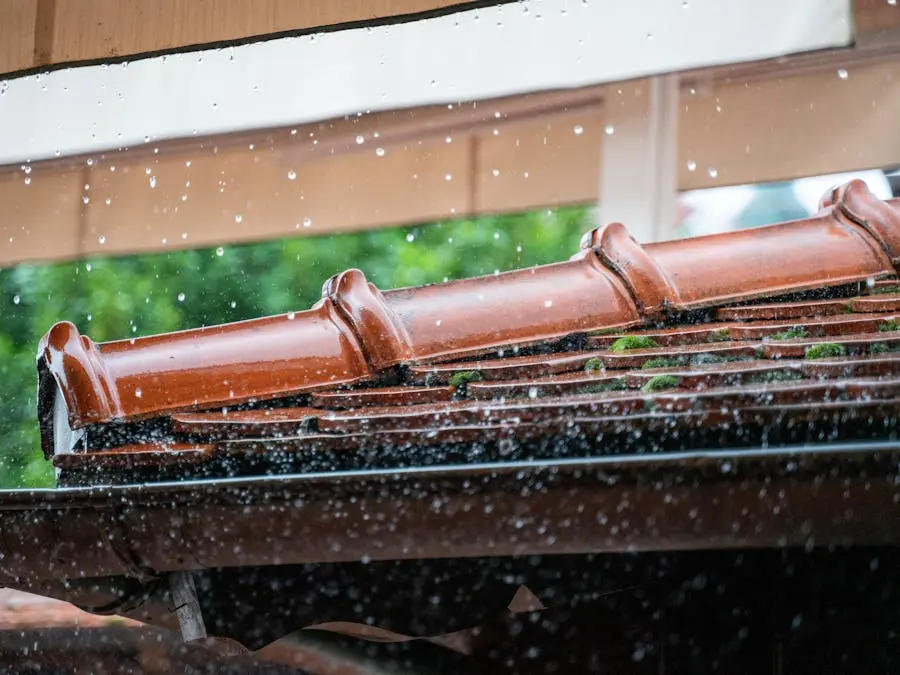
Ponding water is the term for water that stays on a roof surface for more than 48 hours after rain. It is extremely common on flat commercial roofs with drainage issues, and it is far more destructive than most building owners realize.
Here is what it does over time. The weight alone is a problem. One inch of standing water across a large commercial roof adds thousands of pounds of load to a structure that was not designed to carry it indefinitely. As materials compress under that weight, the roof develops low spots. Those low spots collect even more water the next time it rains. It becomes a cycle that gets worse with every storm.
Other than the issue of the additional weight, most roof membranes are not made to be submerged in water all the time. The water accelerates their degradation process, and the warranties from the manufacturers may become null if evidence is produced that the membranes were destroyed due to excessive water accumulation on the roof.
Another problem caused by standing water on roofs is the breeding of mosquitoes. This is an important point to take note of because the Harris County Public Health is always monitoring such instances.
Once Water Gets In, the damage multiplies
Water on the surface is one thing. Water that has worked its way through a seam, around a drain collar, or through degraded flashing is another problem entirely. Once moisture gets into the insulation layer beneath the membrane, it spreads quietly. You will not see it from inside the building for weeks, sometimes months.
By the time you notice a ceiling stain or a drip, the insulation is likely saturated, the decking may be compromised, and mold could already be establishing itself. According to the EPA, mold can begin growing within 24 to 48 hours of a moisture event. In a commercial building, that is not just a repair bill. It is a potential liability.
Your Roof Lifespan Depends on It
A commercial roof with a well-functioning drainage system can last 20 to 30 years. The same roof with recurring ponding and drainage failures might need replacement in 10 to 12 years. Proper drainage is not a luxury feature. It is what makes the rest of your roofing investment actually worth it.
For a full look at commercial roofing options that work in Houston’s climate, the services page at Houston Roofing Solution is a good starting point.
What Goes Wrong with Commercial Roof Drainage in Houston
Clogged Drains and Gutters
This is the most common problem and, really, it’s the most preventable one. Debris accumulates inside and around drain openings over time, consisting of leaves, dirt, other storm debris, and nesting materials of birds. It only takes about an hour during a major rainstorm in Houston for a backed-up drain to flood an area of roof.
The frustrating part is that a clog costs almost nothing to clear during routine maintenance. The water damage it causes when left alone can run into tens of thousands of dollars.
Roof Slope That Was Never Right
Some older commercial buildings in Houston were designed or constructed before current drainage standards. The slope toward the drains is either too shallow or, in some cases, pitched in the wrong direction entirely. No amount of cleaning fixes a drainage system that was not built correctly in the first place.
If your building ponds water in the same spots after every single rain, slope is almost certainly part of the problem.
Storm and Hurricane Damage
Tropical systems are quite common in Houston. The winds may tear the gutters off the fascia and damage the scuppers. It can move the flashing away from drain openings. The drainage system parts will be among the first ones to fail after a big storm, but usually, it is not checked at all.
No Emergency Overflow
Every commercial roof needs a secondary way for water to escape if the primary drain gets blocked. Emergency overflow scuppers are designed for exactly this. They sit slightly above the primary drain level and activate when water backs up beyond a certain point.
The Texas Plumbing Code requires storm drainage systems to account for 100-year rainfall rates when sizing drainage capacity. In Houston, that means your system needs to handle a lot of water very quickly. Without an overflow backup, one clogged drain during a bad storm can flood your roof.
Warning Signs You Have a Drainage Problem Right Now
You do not need to climb on the roof to spot most of these. Some are visible from the ground or from inside the building.
- Standing water on the roof surface that is still there a day or two after it rained
- Ceiling stains, drips, or bubbling paint inside the building after heavy rain
- Visible sagging or depression in the roof surface when viewed from ground level or a nearby building
- Water pouring over your gutters or through parapet wall openings during rain rather than through downspouts
- Dark staining or discoloration on the roof membrane in specific areas
- Moss, algae, or weeds growing on the roof surface (this only happens where water sits long enough to support plant life)
- Gutters pulling away from the building or showing visible sag between anchor points
Any one of these is worth investigating before the next storm. More than one at the same time means you need a professional roof inspection sooner rather than later.
The Best Commercial Roof Drainage Solutions
Internal Drains
Internal drains are set into the roof surface and connect to pipes that run inside the building, discharging at ground level. They are the standard solution for large commercial roofs because they handle high water volumes efficiently and the pipes are protected from weather damage.
The downside is maintenance. A clog in an internal drain pipe is harder to access and clear than a gutter blockage. These systems require regular inspection of both the drain opening on the roof and the pipes inside the building.
Scuppers
A scupper refers to a hole or slit made in the parapet wall to provide an avenue for the runoff of water from the roof’s surface. Scuppers are fairly easy to install and very cheap compared to other drainage options like an internal drainage system.
However, scuppers can work efficiently only if they are correctly installed in relation to the area of roof service. One error frequently seen in installing scuppers is installing small scuppers. In the event of installing small scuppers, they act as partial dams, causing the water to back up in the areas behind the scuppers. If your scuppers are below four inches in any direction, they are too small.
Tapered Insulation Systems
This is one of the most effective long-term solutions for a building that ponds water chronically because the slope is wrong. Tapered insulation is installed beneath the membrane and creates a slight slope toward the drains. Even a pitch of one inch over eight feet moves water significantly faster than a truly flat surface.
The cost is higher upfront. But if your roof is going to be replaced anyway, incorporating tapered insulation at the same time is far cheaper than doing it as a standalone project, and it solves the root cause rather than managing symptoms.
Emergency Overflow Drains and Scuppers
These are not optional in Houston. Position them at roughly two inches above the primary drain level. If the main drain clogs during a storm, the overflow activates and water escapes before it can damage the structure. This one detail can be the difference between a manageable situation and a catastrophic interior flood.
Drainage Maintenance: What You Should Be Doing
Inspect Twice a Year, Minimum
Before hurricane season starts in June and after it ends in November are the two most important times to get eyes on your drainage system. Walk the roof or hire someone to do it. Check every drain opening and every scupper for debris, rust, and separation from the surrounding membrane.
Clean Drains and Gutters Regularly
In Houston, debris lands on commercial roofs year-round. Quarterly cleaning is smarter than twice a year if your building is surrounded by trees or in an area with heavy foot traffic on the roof. A blocked drain that sits uncleaned for six months will almost certainly cause ponding during at least one heavy rain event in that time.
Check the Roof After Every Significant Storm
After any storm that drops an inch or more of rain, do a quick walk-around of the building and look for water coming in anywhere inside. If you can safely access the roof, check for debris that landed on or around drain openings. Take photos of anything that looks wrong. That documentation matters if you ever need to file an insurance claim.
Have a Maintenance Plan in Place
Buildings with documented maintenance records get insurance claims processed. Buildings without them face disputes. It is that simple. A structured maintenance plan also catches small issues before they become expensive ones, which is exactly the point. You can read more about what a good commercial roofing maintenance approach looks like for Houston properties.
When to Repair and When to Upgrade
You Probably Need a Repair If:
- Drains keep clogging even after cleaning (points to pipe damage or a drain that is positioned wrong)
- Water ponds in the same specific area after every rain
- Scuppers show rust, cracking, or are separating from the parapet wall
- Gutters are pulling away from the building or have visible low spots that hold water
Catch these early and a targeted repair handles it. Let them go and you are looking at much bigger work.
You Probably Need an Upgrade If:
- The building was built before current drainage codes and has a slope problem that repairs cannot fix
- You have had multiple insurance claims in recent years tied to water intrusion
- Multiple drains are failing or incorrectly located for your current roof layout
- A roof replacement is already in the plan and you have the opportunity to address drainage at the same time
That last point matters a lot. If you are already getting a new membrane installed, that is the cheapest possible time to add tapered insulation, reposition drains, and upgrade your overflow capacity. Doing it separately later costs significantly more.
Protect Your Houston Commercial Property with the Right Drainage System
Houston is not a forgiving place for a poorly drained commercial roof. The rain volumes are too high, the storms come too fast, and the consequences of ponding water are too serious to treat drainage as a secondary concern.
If you do not know what condition your drainage system is in right now, that is the place to start. Get an inspection done before the next heavy rain season. Find out if your drains are sized correctly, if your slope is adequate, and whether you have proper overflow protection in place.
A drainage problem caught early is a maintenance issue. Caught late, it is a major repair or an early roof replacement. The difference in cost is significant.
The team at Houston Roofing Solution understands what Houston commercial roofs face. Reach out today and get a professional assessment before the next storm puts your drainage system to the test.
Frequently Asked Questions
Why is roof drainage so crucial in Houston?
On average, Houston gets over 50 inches of rain per year. A lot of rain happens in sudden downpours. Without proper roof drainage, water accumulates quickly on a flat roof, resulting in membrane damage, structure weakening, indoor leaks, and significant shortening of the roof’s useful life.
How often should roof drains be checked?
At least twice a year, prior to and following the hurricane season. After each storm that leaves one inch or more of precipitation behind, you should perform a brief examination of your drainage system.
What makes water accumulate on commercial roofs?
Typically, improper slope, insufficient number of drains or those drains being clogged, and structural shifting that causes low spots. Roof drainage systems installed according to wrong specifications for local weather conditions also occur frequently in Houston.
Can drainage problems contribute to the shorter life of a roof?
They certainly can. Standing water damages roof membranes, saturates roof insulation, and places additional strain on the whole roof. It may even cause you to lose warranty protection from manufacturers, leaving you responsible for premature roof failure.
What is the optimal roof drainage system?
For most Houston commercial buildings, the most reliable setup is properly positioned internal drains combined with tapered insulation for correct slope and emergency overflow scuppers as a backup. What works best for your specific building depends on its size, age, and current drainage layout, which is exactly what a professional inspection will tell you.