
If you’ve lived in Houston for more than a summer, you know how fast things turn. Clear sky at noon, sideways rain by three. That’s just how it works here, and your roof takes the hit every single time. Houston Roof Maintenance before storm season isn’t something you check off because a blog told you to. It’s the reason your ceiling stays dry when everyone else’s is dripping.
This isn’t a generic list copied from a national roofing site. It’s built around what actually happens to roofs in this specific city, with the heat, the humidity, and the storms that roll in off the Gulf. Let’s get into what you actually need to check.
When Does Storm Season Even Start Here
Hurricane season runs from June 1 through November 30. Most of the real trouble tends to show up mid-September through October, when the water is at its warmest and storms have the most fuel to work with.
Here’s the thing, though. A “quiet” season doesn’t mean a safe one. NOAA’s own administrator said it flat out during the 2026 outlook: even a below-average season only needs one storm to do real damage. Houston knows this better than most cities. Harvey wasn’t predicted to be catastrophic either, right up until it was.
So don’t wait for a hurricane watch to start checking your roof. By the time that warning hits your phone, you’re out of time to fix anything.
Why Houston Roofs Age Differently from Everywhere Else
A roof in Houston deals with problems most roofs never face together at once. Blistering heat all summer. Sudden, heavy rain. Then the wind is strong enough to find the one loose shingle you forgot about. It’s a rough combination, and it wears roofs down faster than people expect.
Just a few of the differences about Houston:
The moisture stays in your attic and never goes away, causing the rotting of wood and the mold to develop very quickly compared to somewhere dry. It also makes your shingle granules come off much more quickly, especially from the southern-facing slope. And when it rains, it hits every leak and clogs immediately, without warning you first.
Roof maintenance in Texas isn’t a one-size-fits-all job. What works for a roof in Dallas or Austin doesn’t always apply here, because our climate stacks heat, moisture, and wind pressure in a way that ages materials on its own timeline.
The Actual Checklist: What to Look At Before June
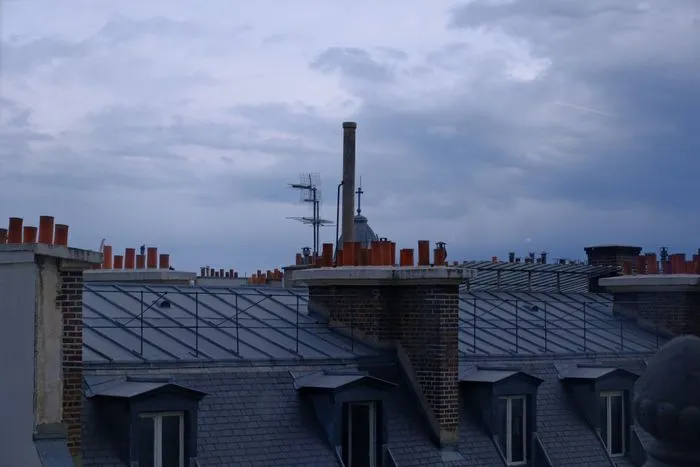
Go through this before storm season opens, not after the first named storm shows up on the radar.
Start With the Shingles
Take a walk around your property and look up. If you’re comfortable with climbing ladders, get closer. You want to be looking for shingles that are curling, damaged, or even missing. Shingles that are missing granules are a definite sign something is wrong, and any darkened shingles are a sure sign of water damage.
Wind almost always goes after the edges and corners first. If shingles are already loose, a storm is going to finish what the wind started.
Don’t Skip the Flashing
Flashing is the thin metal used to seal those areas on the roof where the roof meets a vent pipe, chimney, or skylight. Because flashing is small, it tends to be forgotten, but this is one of the places where a leak begins.
Check for signs of rust, separation due to old caulk that has dried up and become brittle, or flashing that is bent. It takes only a few minutes to do this, and it will spare you a lot of trouble down the road.
Clean Out Your Gutters
Clogged gutters are another problem that many people overlook when it comes to causing roof damage. Water backing up under your shingles starts eating at your fascia board if there is nowhere for the water to go. Ensure your gutters are free from debris, your downspouts are redirecting the water several feet from your home, not right at your foundation, and that your gutters aren’t sagging away from your home. Standing water after light rains means drainage is failing you.
Get in Your Attic With a Flashlight
Roof issues normally make their presence felt much earlier in this area than anywhere else. Take a flashlight to check for signs like water staining of the underside of the decking material, any daylight shining where it shouldn’t, wet insulation, or a smell of mold growth.
It’s caught early if found here. Finding it on your bedroom ceiling means it’s probably been around for a while already.
Check That Your Attic Can Actually Breathe
But then again, this one is consistently overlooked. Poor ventilation creates moisture and heat build-up in your attic, which will silently damage your roof deck and shingles from underneath.
Your soffit vents should be free from insulation, and ridge and turbine vents should be turning freely. If your attic is like an oven every afternoon, now might be the time to fix it before the heat of summer sets in.
Trim Anything Hanging Over the Roof
A dead branch six feet from your roofline is basically a loaded gun during hurricane winds. Trim anything overhanging, clear out weak or dying limbs near the house, and clean out any leaves collecting in your roof valleys; trapped moisture there rots shingles faster than almost anything else.
Look at the Sealant
Houston sun is brutal on sealant. Around pipe boots, skylights, and any roof penetration, check for anything that looks dry, chalky, or cracked. Pipe boots especially wear out fast because the rubber gasket degrades quicker than the roofing material around it. If your chimney has caulking, check that too.
Be Honest About Your Roof’s Age
If your roof is pushing past 15 to 20 years, general upkeep might not cut it anymore. Older roofs just don’t handle wind uplift and heavy rain the way they used to, no matter how well you’ve patched them along the way.
Know when your roof was installed if you can find that in your paperwork, and ask a roofer to actually check the underlayment, not just glance at the surface shingles. If your roof already survived a major storm once, that stress adds up even when there’s no visible damage.
Commercial Roofs Need a Different Approach
Owning or managing a commercial property changes this checklist quite a bit. Commercial roof maintenance in Houston buildings need is more technical, mostly because commercial roofs are usually flat or low slope instead of shingled.
Drainage is everything here. Flat roofs depend entirely on drains and scuppers, and one clogged drain can leave thousands of gallons pooling on your roof during a heavy storm. You also need to check the membrane itself, whether it’s TPO, EPDM, or modified bitumen, for blistering, punctures, or seams starting to separate. Rooftop HVAC units and exhaust fans need flashing checks too, just like residential vents but on a bigger scale, and parapet walls take a beating during high winds since they absorb a lot of the uplift pressure.
Commercial roof maintenance Houston, TX business owners rely on usually means inspections twice a year, not a once-and-done check. And increasingly, insurance companies want proof you’ve been maintaining the roof. Skip that documentation, and you might find your claim gets a lot messier after a storm.
How Often Should You Actually Be Doing This
A single check before hurricane season is a good start, but it’s not really enough on its own. A solid roof maintenance plan Houston homeowners and property managers can stick to looks something like this: twice a year at minimum, once before storm season and once after, plus a check after any major storm, even if nothing looks wrong from the ground. Commercial flat roofs need more frequent attention, closer to every 3 to 4 months, since debris and drainage problems pile up faster on that kind of roof. And once a year, bring in a licensed roofer, even if you’re comfortable doing the visual stuff yourself.
Stick to something like that and you catch the small stuff, a lifted shingle, a slow drain, before it turns into a repair bill with a comma in it.
When You Actually Need a Professional to Look
Some things you can catch on your own. Others need someone who’s done this a thousand times. Get a professional roof inspection if you’re seeing multiple missing or damaged shingles after any storm, water stains that keep coming back no matter how many times you patch them, any noticeable sag along the roofline, or granules piling up in your gutters. That last one means your shingles are breaking down from the inside out.
If your roof is nearing the end of its expected life, or you’re filing an insurance claim, get an inspection regardless. Most insurers require one anyway, and a trained eye catches underlayment damage and structural weak spots that just aren’t visible from a ladder.
DIY or Call Someone: Where the Line Actually Is
You can handle a good chunk of this checklist on your own. Gutter cleaning, a visual shingle check from the ground or a stable ladder, poking around your attic with a flashlight, trimming back trees near the roofline, all of that is fair game if you’re reasonably comfortable doing it.
Where it gets risky is walking the roof surface itself, especially on a steep slope, doing flashing repairs, applying sealant properly, or assessing structural damage after a storm. Any full inspection of a commercial flat roof should go to someone trained for it,
too. Falls off roofs are one of the most common home maintenance injuries out there, and no repair is worth that risk if you’re not confident up there.
If a Storm Already Got to Your Roof
If a storm’s already come through and you think there’s damage, don’t sit on it. Take photos from the ground for your insurance file, check your attic within a day for any new leaks, and if it’s safe to do so, cover exposed areas with a tarp so water doesn’t keep getting in while you wait for a repair. If it’s a business or office roof rather than a house, the vetting bar is higher, so check our guide to choosing a commercial roofing contractor in Houston first.
Call your insurance company soon rather than later; a lot of policies have filing windows you don’t want to miss. And get a professional roof inspection even if the damage looks minor from where you’re standing. Wind can lift a shingle just enough to open a slow leak without fully tearing it off, and that kind of damage doesn’t always show up right away.
The Federal Emergency Management Agency and NOAA have both pointed out that it’s the severity and landfall location of a storm that determines damage, not how many storms form in a season. A quiet year can still throw one bad storm straight at Houston.
What This Actually Costs You
Routine maintenance is cheap compared to what storm damage costs. An inspection, a gutter cleaning, a small flashing or sealant fix, these are modest costs. Compare that to a full roof replacement after wind or hail tears through unmaintained shingles, which can run into five figures depending on the size of your roof and the extent of the damage.
Spending a little now on roof maintenance services Houston companies offer almost always beats paying for the aftermath later.
Get Your Roof Ready Before the Peak Hits
Storm season doesn’t check anyone’s calendar before it shows up. The ideal time to have gotten your roof checked was before June 1. The next best time is today, before activity ramps up toward that September and October peak.
If you’d rather have someone who does this every day take a look instead of guessing what’s safe to leave alone, Houston Roofing Solution handles roof maintenance and repair Houston homeowners and businesses actually trust before the next storm rolls in. Head over to Houston Roofing Solution and get your roof inspected before storm season peaks this year.
Frequently Asked Questions
How often should I get my roof inspected in Houston?
Twice a year works well, once before storm season starts and once after it wraps up in the fall.
What actually causes the most roof damage during Houston storms?
Wind-driven rain sneaking under loose shingles or weak flashing, plus clogged gutters that let water back up under the roofline.
Can I check my own roof, or should I hire someone?
Basic visual checks and gutter cleaning are fine to do yourself. Flashing work, sealant application, and full roof walks are safer left to a licensed roofer.
How much does roof maintenance usually cost in Houston?
Routine work like inspections and small repairs costs far less than storm damage repair, which can climb into the thousands depending on how bad it gets.
Is commercial roof maintenance really that different from residential?
Yes. Commercial roofs are usually flat and need drainage, membrane, and rooftop equipment checks that a shingled residential roof just doesn’t require.
What’s the first thing to do if my roof gets damaged in a storm?
Photograph the damage, check your attic for leaks within a day, tarp anything exposed if it’s safe, and contact your insurance company and a roofer as soon as you can.