
If you manage a commercial property in Houston, your roof is not just a structure. It directly controls your energy bills, leak protection, maintenance cost, and long-term building safety.
Most commercial buildings in the city rely on flat or low-slope roofing systems. That is where three materials dominate the market:
- TPO EPDM & PVC Roofing in Houston
- TPO roofing
- EPDM roofing
- PVC roofing
Each system works differently. And most online guides only talk about price and lifespan. They skip real Houston problems like heat load, ponding water, UV stress, and storm impact.
This guide gives you a clear Commercial Roofing Comparison Houston so you can choose the right system or type without confusion.
What commercial roofing Types are common in Houston?
Houston commercial roofs mostly use the following:
- Flat roofing systems
- Low-slope roofing systems
Because Houston has extreme heat and heavy rain, roofing must handle the following:
- UV exposure
- Standing water
- Storm wind pressure
- Thermal expansion
- Humidity stress
That is why membrane systems are widely used in Houston Commercial Roofing Types.
The top three are:
1. TPO Roofing
2. EPDM Roofing
3. PVC Roofing
TPO Roofing types in Houston
TPO EPDM & PVC Roofing in Houston comparisons usually start with TPO because it is the most installed system today.
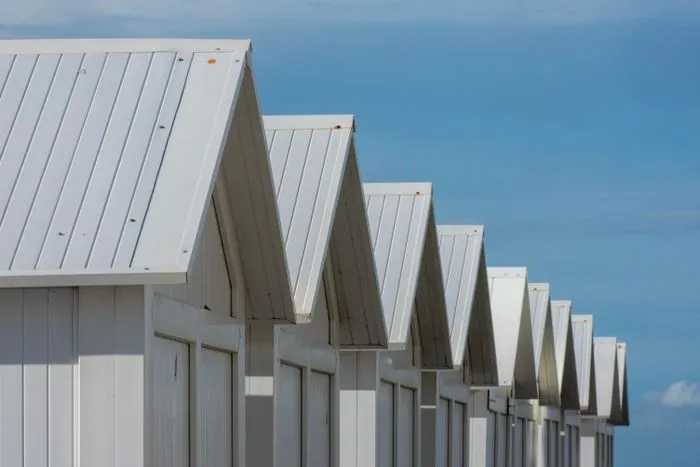
TPO is a white single-ply membrane designed to reflect heat.
Why TPO is popular in Houston
- Strong energy efficiency
- Reflects sunlight
- Helps reduce AC costs
- Lightweight system
- Works for large commercial roofs
That is why it is often called a durable flat roof in Houston option for modern buildings.
Weak points
- Quality varies by manufacturer
- Seam welding must be perfect
- Cheap versions age faster
Houston reality
In Houston heat, TPO performs very well because it reduces surface temperature. But poor installation is the biggest reason for failure, not the material itself.
EPDM Roofing types in Houston
EPDM is a rubber-based roofing system used for decades.
It is one of the oldest Commercial Flat Roofing Houston options.
Why EPDM is still used
- Lowest upfront cost
- Long service life
- Easy repair system
- Flexible in temperature changes
Weak points
- Absorbs heat (black surface)
- Not energy efficient
- Seams rely on adhesive
- Can shrink over time
Houston performance
EPDM works, but heat is its biggest challenge in Houston. Many buildings add reflective coating to improve performance.
That is why in EPDM vs. TPO Roofing in Houston, EPDM often loses in energy efficiency.
PVC Roofing types in Houston
PVC is considered the premium system in TPO EPDM & PVC Roofing in Houston comparisons.
It is a strong single-ply membrane with excellent chemical resistance.
Why PVC is powerful
- High durability
- Excellent waterproofing
- Strong seam welding
- Heat resistant
- Chemical resistant
Weak points
- Higher cost
- Not needed for simple buildings
Houston performance
PVC performs extremely well in heavy rain and heat. It is often used in restaurants and industrial buildings where grease or chemicals are present.
TPO vs EPDM vs PVC Roofing Houston comparison
This is where most competitors stop. But real decisions need deeper clarity.
| Feature | TPO Roofing | PVC Roofing | EPDM Roofing |
|---|---|---|---|
| Material Type | Thermoplastic Polyolefin (single-ply membrane) | Polyvinyl Chloride (reinforced thermoplastic membrane) | Synthetic rubber (ethylene propylene diene monomer) |
| Installation Method | Heat-welded seams | Heat-welded seams | Adhesive, ballast, or mechanical fastening |
| Color Options | White / light colors | White / light colors | Black (standard), white coated available |
| Heat Reflection | High (cool roof system) | Very high (cool roof system) | Low (absorbs heat) |
| Energy Efficiency in Houston | Strong (reduces AC load) | Excellent (best cooling performance) | Moderate to low in hot climates |
| Durability | 15–25 years (varies by quality) | 20–30+ years | 20–30+ years |
| Chemical Resistance | Medium | Very high (best option) | Low to medium |
| Fire Resistance | Medium | High | Medium |
| Repair Method | Heat welding required | Heat welding required | Simple patch repairs |
| Maintenance Level | Low | Very low | Medium |
| Cost Level | Medium | High | Low (most affordable) |
| Best Use Case | Offices, retail, warehouses | Restaurants, factories, chemical exposure buildings | Budget buildings, storage, basic commercial roofs |
| Houston Climate Performance | Good for heat + sun | Best overall performance in harsh conditions | Struggles in heat unless coated |
| Ponding Water Resistance | Good | Excellent | Good but depends on installation |
| Overall Strength | Balanced option | Premium long-term system | Budget-friendly traditional system |
What is the best roofing system in Houston?
There is no single answer. The The Best Roofing System in Houston depends on your building needs.
Choose EPDM if:
- You want lowest cost
- You manage storage or small buildings
- You prefer simple repair system
Best for:
- warehouses
- storage units
Choose TPO if:
- You want energy savings
- You want balanced performance
- You want modern roofing system
Best for:
- offices
- retail buildings
- large commercial roofs
This is the most common affordable options for flat and low-slope roofs today.
Choose PVC if:
- You want long-term durability
- You want maximum leak protection
- You run high-risk operations
Best for:
- restaurants
- factories
- hospitals
- heavy-use commercial spaces
Real Houston roofing problems competitors ignore
Most blogs never explain real field issues.
1. Ponding water
Flat roofs often hold water after storms.
PVC handles this best.
2. Heat damage
Houston’s sun is intense.
EPDM struggles the most here.
3. Storm stress
Wind uplift and heavy rain are common.
TPO and PVC perform better in sealing systems.
4. Installation quality
This matters more than material.
Poor seams = early failure in all systems.
Cost reality in Houston commercial roofing
When comparing Commercial Roofing Comparison Houston, you must look beyond installation.
Total cost includes:
- installation
- repairs
- maintenance
- energy bills
- lifespan
Example:
- EPDM → cheap now, higher maintenance later
- TPO → balanced long-term cost
- PVC → expensive now, lowest risk later
Common mistakes Houston property owners make
Most competitors never include this.
Avoid:
- choosing only based on price
- ignoring drainage design
- skipping insulation upgrades
- hiring non-certified installers
- delaying small repairs
These mistakes reduce roof life by years.
How to choose the right roofing contractor
Before choosing any system, ask:
- What is best for my building type
- How do you handle drainage
- Do you provide seam inspection proof
- What warranty is included
- Do you have Houston project experience
A good roofer explains. A bad one sells.
Trusted industry resources
- Energy Star roofing guidelines: energystar.gov/products/roof_products
- OSHA roofing safety standards: osha.gov/roofing
- NOAA climate data for Texas storms: ncei.noaa.gov
Conclusion
Choosing between TPO EPDM & PVC Roofing in Houston is not just about price.
It is about long-term performance in Houston heat, rain, and storm conditions.
- EPDM = budget-friendly
- TPO = balanced performance
- PVC = premium durability
If you want a durable flat roof in Houston, focus on building type, long-term cost, and maintenance needs.
Need expert help choosing between Houston Commercial Roofing Types?
Get professional inspection and guidance from Houston Roofing Solution
We help you compare systems and choose the right roofing solution for long-term protection.
FAQs
Which is better EPDM or TPO or PVC roofing?
TPO is better for energy efficiency, EPDM is cheaper upfront, and PVC is the most durable. The best option depends on building use and budget.
What is the best type of commercial roofing system?
There is no single answer. For Houston, TPO and PVC are the strongest choices for most commercial buildings.
Is PVC roof better than TPO?
PVC is stronger and more chemical resistant. TPO is more affordable and energy efficient. PVC is better for heavy commercial use.