
Even a minor leakage could cause damage to stock, office equipment, ceilings, electrical systems, or customer spaces. Heavy rainfall may force a business to shut down some parts of the property. Weak roofs might also result in expensive repairs in case the issue is left unattended for too long.
It is because the job of a professional roofer goes beyond replacing shingles and fixing leaks. What you require is a company that communicates well, inspects the entire roof, informs you about the problems, and advises on the right course of action.
At Houston Roofing Solution, we offer inspection services for our clients in Houston, Texas, repairs, replacements, storm damage, and maintenance of the roof. We make sure our customers understand what is going on with their roof, why certain work is required, and what it costs.
This clear and honest approach is one of the main reasons customers trust our Roofing Services in Houston.
Why Choosing the Right Houston Roofer Matters
There are certain issues that Houston weather presents for roofing systems. This includes sun exposure, heat, humidity, rain, hail, winds, and tropical storms. Such weather conditions can cause dislodging of materials, flashing damage, clogged drainage, sealant damage, and water penetration into the structure.
The issue here is that there is not always an obvious sign of damage on the roof.
Leaking water in your office can start several feet away from the actual stain seen on the ceiling.
A quick patch may stop the drip for a few days. It may not fix the actual source of the leak.
This is why businesses search for Trustworthy Houston TX Roofing services instead of choosing the first contractor who offers a low price. A local roofer should understand Houston weather, common roof systems, drainage problems, storm damage, and the materials that perform well in this climate.
We Start With a Proper Roof Inspection
Before we recommend a repair or replacement, we look at the full roof area. We do not focus only on the place where water is entering the building.
Our inspection may include:
- Roofing material and overall condition
- Age of the roof
- Cracks, holes, bubbles, or open seams
- Loose or missing shingles
- Flashing around walls, vents, and equipment
- Gutters, drains, and water flow
- Signs of standing water
- Previous repair work
- Roof edges and wind damage
- Wet insulation or damaged decking
- Areas around air-conditioning units
- Possible storm or hail damage
After the inspection, we explain what we found in simple words.
You should not need roofing experience to understand your own estimate. We show you the damaged areas, explain what caused the issue, and discuss the possible solutions.
The best Local Roof Contractors do not try to confuse customers with technical terms. They help property owners make a clear and informed decision.
We Do Not Push Roof Replacement When Repair Is Enough
Not every leaking roof needs to be replaced.
In many cases, a focused repair can extend the life of the roof and stop further damage. This may be the right choice when the problem is limited to one area and the rest of the roof is still in good condition.
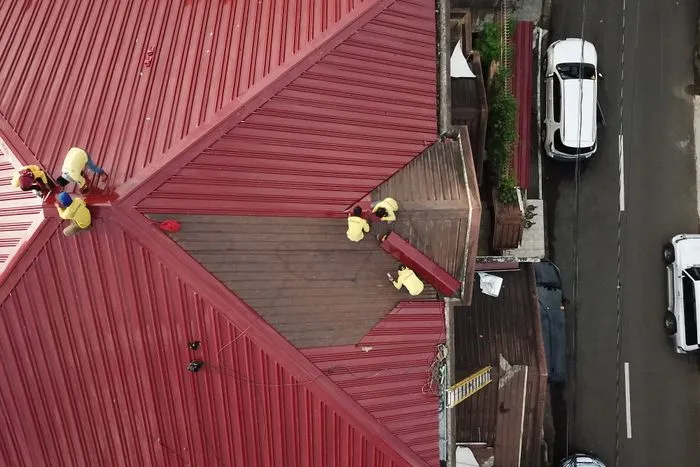
A repair may work when:
- One flashing area is damaged
- A small section of membrane has opened
- A few shingles are missing
- A vent or pipe seal has failed
- One roof edge was damaged by wind
- A drain or gutter is blocked
- The roof is still within its expected service life
Replacement may be the better choice when the roof has widespread damage, repeated leaks, wet insulation, weak decking, major storm damage, or materials that have reached the end of their useful life. That is how real Trusted Roofing Experts should work.
We Give You a Clear Written Estimate
You should know what work will be completed, which materials will be used, how long the work may take, and what is included in the warranty.
A clear estimate may include:
- Roof areas included in the project
- Materials being removed
- New roofing material
- Underlayment or insulation
- Decking repairs
- Flashing work
- Drainage work
- Sealants and fasteners
- Labour
- Cleanup and waste removal
- Project schedule
- Payment stages
- Warranty details
- Possible extra work
A Top-Quality roofing Contractor should make the price and work clear before the project begins.
We Help You Choose the Right Roofing System
A warehouse, restaurant, office, retail store, apartment building, and family home may all need different roofing materials.
The right choice depends on:
- Roof slope
- Building size
- Drainage
- Current roof condition
- Business activity
- Heat exposure
- Budget
- Maintenance needs
- Expected lifespan
- Energy goals
We explain the available Houston Roofing Options.
TPO Roofing
TPO is commonly used on flat and low-slope commercial roofs.
It has heat-welded seams and is often available in light colours that reflect sunlight. It can be a practical choice for warehouses, offices, shops, and other commercial properties.
Good installation is important. Seams, roof edges, drains, and areas around equipment must be completed correctly.
EPDM Roofing
EPDM is a rubber roofing membrane used on many commercial buildings.
It is flexible and can handle movement caused by changing temperatures. Proper seam work, flashing, drainage, and surface preparation are important for long-term performance.
PVC Roofing
PVC roofing is another single-ply option.
It may be suitable for businesses where the roof could be exposed to grease, oils, or certain chemicals. Restaurants and some industrial buildings may consider PVC for this reason.
Modified Bitumen Roofing
Modified bitumen is an asphalt-based commercial roofing system.
It is often used on low-slope roofs and may be installed in more than one layer. The final result depends on correct preparation, strong seams, good drainage, and suitable installation methods.
Metal Roofing
Metal roofing can work well for commercial and residential properties.
It may provide a long service life when panels, fasteners, seams, flashing, and roof edges are installed correctly.
Metal roofs still need inspections. Loose fasteners, damaged sealant, rust, and flashing problems can develop over time.
Asphalt Shingles
Asphalt shingles are common on homes and smaller commercial buildings with sloped roofs.
Shingle quality matters, but installation matters just as much. Correct nailing, underlayment, ventilation, flashing, and roof edge work all affect performance.
Workmanship Is More Important Than a Brand Name
Well-known roofing materials can still fail when they are installed badly.
A roof system is made up of many small details. One poorly sealed pipe, weak roof edge, open seam, or badly installed flashing area may allow water into the building.
Good workmanship includes:
- Preparing the roof surface properly
- Repairing weak decking
- Using suitable materials together
- Installing fasteners in the correct locations
- Sealing roof openings
- Securing roof edges
- Keeping drains clear
- Checking seams
- Protecting walls and equipment
- Completing a final inspection
We Plan the Work Around Your Business
Commercial roofing is different from working on an empty building.
Your employees may still be working. Customers may still need to enter. Deliveries may still need to reach the loading area. Tenants may need updates before noisy work begins.
A roofing contractor should think about these details before arriving with materials and equipment.
Depending on the property, we may plan:
- Work in separate sections
- Delivery times
- Safe customer entrances
- Employee parking access
- Loading area access
- Tenant notices
- Daily cleanup
- Noise-heavy work
- Protection for stock and equipment
- Weather delays
- Emergency access routes
This is one reason businesses often prefer a LOCAL Houston Roofer. A local team can visit the property, understand how the site works, and build a plan around daily operations.
We Keep You Updated During the Project
Roofing projects become stressful when customers do not know what is happening.
Missed calls, unexplained delays, changing prices, and unclear schedules can turn a simple project into a frustrating experience.
We believe communication should remain clear from the first inspection until the final review.
You should know:
- Who your main contact is
- When the work is expected to start
- What may delay the project
- Which part of the roof is being worked on
- Whether hidden damage has been found
- Whether the cost may change
- When the work is expected to finish
- What happens after completion
We Use Written Change Orders
Some roof problems remain hidden until old materials are removed.
A contractor may find wet insulation, damaged wood, rusted metal, mould, or poor work from a previous repair. These issues may need to be fixed before the new roof can be installed.
You should not receive a surprise bill without an explanation.
When unexpected work is needed, the contractor should:
- Show you the problem
- Explain why it needs attention
- Provide the extra cost
- Get written approval
- Keep a record of the change
A written change order protects both the customer and the contractor.
It also helps business owners track the project budget.
Safety Is Part of Professional Roofing
Roofing work includes ladders, heavy materials, power tools, sharp objects, debris, and work at height.
A professional contractor should protect both the crew and the people using the property.
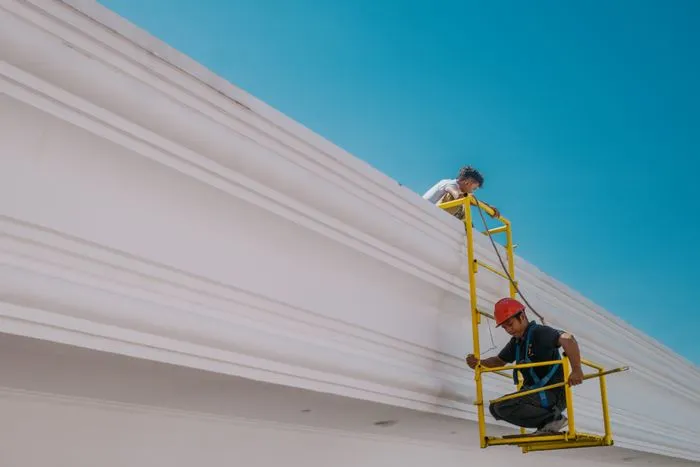
Safety planning may include:
- Marked work areas
- Safe ladder placement
- Fall protection
- Protected walkways
- Controlled material storage
- Clear building entrances
- Regular ground cleanup
- Weather checks
- Safe equipment use
- End-of-day inspections
For commercial buildings, safety also means thinking about employees, customers, vehicles, tenants, and deliveries.
A messy site can create unnecessary risks. Loose nails, old materials, packaging, and tools should not be left around customer areas or car parks.
Organised work is not only about appearance. It shows that the contractor respects your property and the people inside it.
We Provide Proof, Not Only Promises
Any contractor can say they are experienced, trusted, or professional.
You should still check the company before signing a contract.
Ask for:
- Proof of general liability insurance
- Workers’ compensation information where available
- A local address
- A working phone number
- Recent customer references
- Photos of similar projects
- Manufacturer certifications
- Written warranty information
- Company reviews
- A clear contract
The TRUSTED ROOFING COMPANY IN TEXAS label should be earned through real work, clear records, and customer support.
We Help With Storm Damage Without Making False Promises
Storm damage can be stressful. After hail, wind, or heavy rain, property owners may receive calls from companies offering immediate repairs. Some may pressure you to sign a contract before the roof has been properly checked.
A roofer can inspect the damage, take photos, prepare an estimate, and explain the repair work.
A roofer should not promise that your insurance claim will be approved.
A contractor also cannot legally offer to hide, refund, or waive your insurance deductible in Texas.
Be careful when someone says:
- Insurance will pay for everything
- You will not need to pay your deductible
- You must sign today
- The offer is only available for a few hours
- The contractor will handle the full insurance claim
- You should not contact your insurance company
We Explain Roofing Warranties Clearly
A warranty should be explained before the work begins.
There may be more than one warranty attached to a roofing project.
A material warranty may cover certain problems with the roofing product.
A workmanship warranty may cover issues linked to installation.
Some stronger manufacturer warranties may require approved materials, certified installers, registration, or an inspection.
Before signing, ask:
- Who provides the warranty?
- How long does it last?
- What is covered?
- What is not covered?
- Is labour included?
- Is maintenance required?
- Does the warranty need registration?
- Can it be transferred to a new owner?
- Who should you contact for a claim?
A long warranty does not always mean strong protection.
The written terms matter more than the number of years printed on the sales page.
We Give You Project Records After Completion
When the job is complete, you should receive useful documents.
These may include:
- Final invoice
- Paid receipt
- Material details
- Warranty documents
- Warranty registration
- Project photos
- Permit records
- Inspection records
- Approved change orders
- Maintenance advice
- Contact details for future support
These records can help with insurance, building sales, property management, tenant questions, future repairs, and budgeting.
They also give you a clear history of the roof.
For a business property, this information can be valuable years after the original work is complete.
Regular Roof Care Can Prevent Bigger Repairs
Many roof problems start small.
A loose flashing area, blocked drain, damaged seal, or small membrane opening may be repaired before it causes major water damage.
Regular inspections can help find problems early.
A simple maintenance plan may include:
- Checking the roof after major storms
- Cleaning gutters and drains
- Removing leaves and debris
- Looking for standing water
- Checking roof edges
- Inspecting flashing
- Reviewing areas around equipment
- Repairing small openings
- Trimming nearby branches
- Keeping records of repairs
Commercial roofs may need inspections more often because of rooftop equipment, foot traffic, drainage systems, and larger surface areas.
A small repair completed early is often easier to manage than an emergency during heavy rain.
Homeowners Should Expect the Same Level of Care
The process of Hiring Trusted Residential roofing contractor should not feel confusing.
Homeowners deserve the same clear inspection, written estimate, proper insurance, safe work, and warranty support that a commercial customer expects.
The best roofing contractor for your Houston home should explain what is wrong without trying to scare you.
The contractor should also discuss repair options before recommending a full replacement.
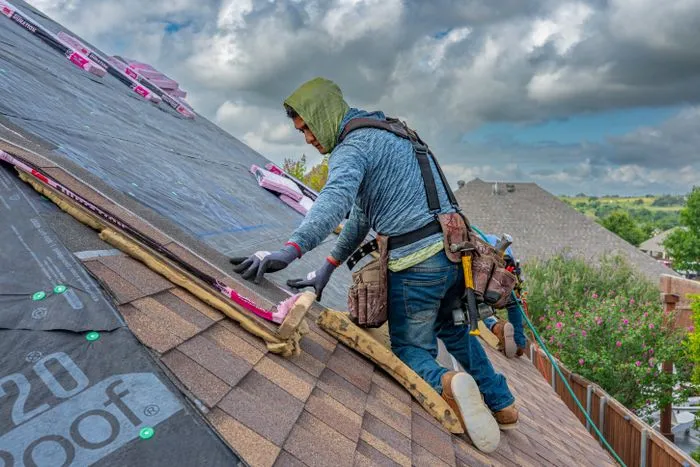
A homeowner should know:
- What caused the problem
- Whether the damage is active
- Whether repair is possible
- Which materials will be used
- How the property will be protected
- How cleanup will be handled
- What the warranty covers
- Who to contact after the work
A clear process makes the project easier for everyone.
How to Compare Roofing Companies in Houston
There are many roofing companies in Houston, and many of them use similar marketing words.
The better way to compare them is to look at what each company provides in writing.
Before making your decision, compare:
- Inspection quality
- Photos and findings
- Repair and replacement choices
- Roofing material
- Installation details
- Flashing work
- Drainage work
- Insurance
- Project schedule
- Cleanup
- Payment terms
- Warranty
- Change orders
- References
- Local presence
- Follow-up support
Do not compare only the total price.
A lower quote may leave out important work. A higher quote may include stronger materials, better preparation, more complete flashing, better warranty terms, or damaged decking repairs.
Ask each contractor to explain the quote line by line.
This will help you understand what you are actually buying.
Why Customers Choose Houston Roofing Solution
Customers choose Houston Roofing Solution because they want straight answers and practical help.
We focus on the things that matter most:
- Careful inspections
- Clear explanations
- Repair and replacement choices
- Written estimates
- Suitable roofing materials
- Safe work areas
- Regular updates
- Clean job sites
- Written warranties
- Support after the project
Our goal is not to finish the job and disappear.
We want customers to feel comfortable calling us again for inspections, maintenance, storm damage, repairs, or future roofing work.
That long-term support is what people should expect from trusted Houston roofing experts.
Protect Your Property With a Roofer You Can Reach
Your roof protects your building every day.
It keeps water away from employees, customers, equipment, stock, furniture, documents, and electrical systems. When the roof starts failing, delaying the work can allow a small issue to grow.
The right contractor will not pressure you or confuse you.
They will inspect the roof, explain the problem, discuss your options, provide a written estimate, and keep you updated during the work.
That is the level of service businesses and homeowners should expect.
Speak With Houston Roofing Solution
Do you have a roof leak, storm damage, missing shingles, standing water, loose flashing, or an older roof that needs attention?
Houston Roofing Solution can inspect the property and explain your repair or replacement options.
Visit Houston Roofing Solution to request a roofing inspection for your home or business.
Frequently Asked Questions
Why should I choose a local Houston roofing company?
A local company understands Houston heat, rain, humidity, hail, wind, and storm conditions. A local roofer is also easier to reach for inspections, repairs, warranty support, and future maintenance.
How do I know if my roof needs repair or replacement?
A repair may be enough when the damage is limited and the rest of the roof is stable. Replacement may be better when the roof has repeated leaks, widespread damage, wet insulation, weak decking, or materials near the end of their useful life.
What should be included in a roofing estimate?
The estimate should explain the roof area, materials, labour, removal, decking, insulation, flashing, drainage, cleanup, schedule, payment terms, warranty, and the process for extra work.
How long does a commercial roof inspection take?
The time depends on the roof size, condition, access, and roof type. A small building may take less time, while a large commercial property with several roof sections and rooftop equipment may need a longer inspection.
Can a roofing contractor waive my insurance deductible?
No. Texas law does not allow a contractor to waive, refund, hide, or absorb your insurance deductible. Be careful with any contractor who offers this.
Can a roofer handle my insurance claim?
A roofer can inspect the roof, photograph the damage, and prepare a repair estimate. A roofer should not promise claim approval or act as your insurance adjuster while also completing the repair work.
Which roofing system is best for a Houston business?
The right system depends on roof slope, building use, drainage, deck condition, energy goals, budget, and maintenance needs. TPO, PVC, EPDM, modified bitumen, metal, and other systems may suit different properties.
How often should a commercial roof be inspected?
Many commercial roofs should be checked at least once or twice a year and after major storms. The right schedule depends on the roof type, age, drainage, foot traffic, and previous problems.
What makes a roofing company trustworthy?
A trustworthy company provides proof of insurance, a detailed written estimate, clear payment terms, suitable material choices, real references, safety planning, written warranties, and reliable follow-up.
Why do customers choose Houston Roofing Solution?
Customers choose us for clear inspections, honest recommendations, written estimates, practical roofing choices, regular updates, clean work areas, and support after the project is complete.